

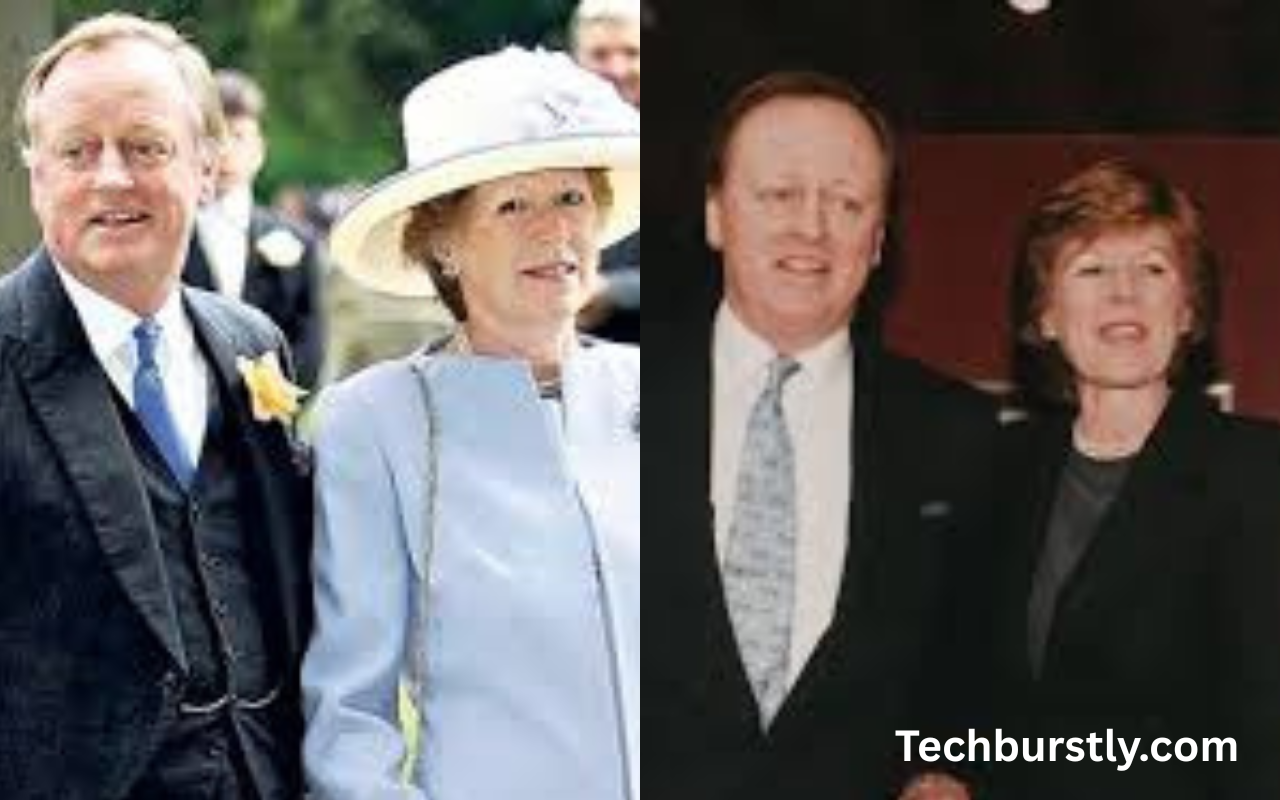
Who Was Rosemary Pitman?
Rosemary Pitman was a respected British garden designer, equestrian enthusiast, and social figure whose life became known to a wider audience through her marriage to Brigadier Andrew Parker Bowles. Although public attention often focused on her connection to Britain’s royal circles, Rosemary built an identity that extended far beyond her family associations. She earned admiration for her creativity, elegance, and dedication to her profession while maintaining a reputation as a private and grounded individual. Throughout her life, she balanced personal responsibilities with professional pursuits, creating a legacy that continues to attract interest years after her passing.
Born Rosemary Alice Dickinson in Northumberland, England, she grew up in an environment that encouraged discipline, education, and personal achievement. Her father, Robert Dickinson, was a successful businessman and former Olympic athlete, while her mother, Alice Barnett, helped create a supportive family atmosphere. These early influences played a major role in shaping Rosemary’s character and work ethic. From a young age, she developed an appreciation for nature, beauty, and outdoor life, interests that would later inspire her successful career in garden design.
What makes Rosemary Pitman’s story particularly compelling is the way she combined sophistication with authenticity. Despite moving within influential social circles and attending prominent events, she remained focused on the things that mattered most to her: family, friendship, gardening, and community involvement. Her life serves as an example of how personal passion and quiet determination can create a meaningful impact without seeking constant public attention. Even today, she is remembered not only as Andrew Parker Bowles’ wife but as a talented professional and beloved family figure in her own right.
Early Life and Childhood
Rosemary Pitman entered the world on June 17, 1940, during a period of enormous change in Britain. Growing up during and after the Second World War exposed her generation to values such as resilience, perseverance, and community spirit. While her family enjoyed a comfortable lifestyle, the broader social environment of the time emphasized responsibility and hard work. These influences helped shape the practical yet refined personality for which Rosemary would later become known.
Her father, Robert Dickinson, was an accomplished individual whose achievements extended across business, law, and athletics. Having competed in the high jump at the 1924 Olympic Games, he demonstrated the importance of commitment and excellence. Rosemary inherited many of these qualities and developed a strong sense of determination from an early age. Family members and those who knew her often described her as thoughtful, intelligent, and quietly confident, characteristics that remained evident throughout her life.
The natural beauty of Northumberland and the English countryside left a lasting impression on Rosemary’s imagination. Surrounded by gardens, landscapes, and rural traditions, she developed a deep appreciation for the outdoors. This connection to nature would eventually influence both her professional career and personal lifestyle. Long before she became known as a garden designer, she was already cultivating a fascination with plants, design, and the harmony between people and the natural environment.
Key Facts About Rosemary’s Early Years
- Born in Northumberland, England.
- Daughter of Robert Dickinson and Alice Barnett.
- Raised in a well-educated and accomplished family.
- Developed an early passion for nature and gardening.
- Influenced by traditional British countryside values.
-
Education and Personal Development
Rosemary Pitman’s educational journey helped shape the confidence, creativity, and discipline that later became defining characteristics of her personality. She attended St Mary’s School in Ascot, a respected institution known for providing a strong academic foundation while encouraging personal growth and cultural awareness. During her years there, she was exposed to an environment that valued both intellectual achievement and social responsibility. These experiences contributed significantly to the poised and thoughtful woman she would become later in life.
Beyond formal education, Rosemary possessed a natural curiosity about the world around her. She was particularly drawn to nature, design, and the beauty of the English countryside. While many young women of her generation followed traditional paths, Rosemary developed interests that combined creativity with practical skills. Her appreciation for landscapes, architecture, and outdoor spaces gradually evolved into a deeper understanding of garden design. This passion was not something she discovered later in life—it had roots in her childhood experiences and continued to grow throughout her education and early adulthood.
After completing her studies, Rosemary spent time working in London, where she gained valuable life experience and broader exposure to professional opportunities. Living in the capital introduced her to different social environments, artistic influences, and career possibilities. The contrast between London’s fast-paced atmosphere and the peaceful countryside she loved helped her develop a balanced perspective on life. These formative years strengthened her independence and prepared her for the personal and professional challenges she would later encounter. Rather than relying solely on family connections, she worked to develop her own identity, skills, and sense of purpose.
Important Influences During This Period
- A strong academic foundation at St Mary’s School.
- Early exposure to design, landscapes, and horticulture.
- Professional and social experiences gained while living in London.
- Development of independence and self-confidence.
- A growing appreciation for creativity and outdoor living.
Career as a Professional Garden Designer
While Rosemary Pitman is frequently remembered because of her marriage to Andrew Parker Bowles, her professional achievements deserve recognition in their own right. Garden design became more than a hobby for her—it evolved into a respected career built on talent, dedication, and a genuine understanding of landscape aesthetics. She approached garden design with both artistic vision and practical expertise, creating outdoor spaces that reflected beauty, harmony, and functionality. Those who knew her work admired her ability to transform ordinary environments into elegant and inviting landscapes.
Her passion for horticulture was evident in every project she undertook. Unlike designers who focused only on appearance, Rosemary appreciated the relationship between plants, architecture, and natural surroundings. She believed gardens should feel timeless rather than fashionable. This philosophy helped distinguish her work and earned her praise from clients who valued sophistication and authenticity. Reports indicate that she received recognition and awards for her achievements in garden design, further establishing her reputation within the field.
One of the most remarkable aspects of Rosemary’s professional life was her commitment to continuing her work even while balancing family responsibilities and social obligations. She demonstrated that creativity and professionalism could coexist with a fulfilling personal life. Her son later spoke publicly about her lifelong passion for gardening, emphasizing that it remained one of the defining interests of her life. Through her work, Rosemary contributed to the appreciation of landscape design and inspired others to see gardens as living works of art rather than simple outdoor spaces.
Highlights of Rosemary’s Career
- Qualified professional garden designer.
- Worked professionally in landscape and garden planning.
- Earned recognition for her design expertise.
- Known for combining elegance with practicality.
- Maintained a lifelong passion for horticulture and countryside living.
First Marriage to Hugh Pitman
At the age of twenty-one, Rosemary entered a new chapter of her life when she married Hugh Pitman in 1961. Hugh came from a distinguished family and later became a Lieutenant Colonel in the British Army. Their marriage reflected many of the traditions associated with military family life during that era. As a young couple, they embraced the responsibilities and opportunities that came with Hugh’s military career, which often required relocation and adaptability.
Military life brought both adventure and challenges. Rosemary spent time living in different locations, including periods in Germany as her husband fulfilled his army duties. Constant movement required resilience and flexibility, qualities that Rosemary developed throughout these years. Despite the demands of military life, she remained focused on creating a stable and supportive home environment for her growing family. These experiences strengthened her character and expanded her understanding of different cultures and communities.
The marriage eventually ended in divorce after several decades together. Although details regarding the separation remained private, both individuals moved forward with their lives while maintaining dignity and respect. Importantly, Rosemary’s first marriage brought her one of the greatest joys of her life—her three sons. Her role as a mother became a central part of her identity, and the values she instilled in her children reflected her commitment to family, responsibility, and personal integrity.
Facts About Her First Marriage
- Married Hugh Pitman in 1961.
- Experienced military family life in multiple locations.
- Became the mother of three sons.
- Developed resilience through frequent relocations.
- Eventually divorced but remained devoted to family.
-
Marriage to Andrew Parker Bowles
Rosemary Pitman’s life entered a new and highly publicized chapter when she married Brigadier Andrew Parker Bowles in 1996. Andrew was already a well-known figure in British society due to his distinguished military career and his previous marriage to Queen Camilla, then known as Camilla Parker Bowles. Although the marriage attracted considerable media attention, Rosemary approached the relationship with her characteristic grace and discretion. Rather than embracing public scrutiny, she preferred to maintain a private lifestyle centered on family, friendships, and shared interests. Their marriage represented the beginning of a stable and supportive partnership that would last until her death in 2010.
One reason the relationship appeared so successful was the couple’s shared appreciation for countryside traditions, horses, and social gatherings connected to rural British life. Both Rosemary and Andrew enjoyed equestrian activities and had long-standing connections within Britain’s country community. Their mutual interests helped strengthen their bond and allowed them to build a life based on companionship rather than public attention. Friends often described them as a devoted couple who enjoyed spending time together away from the spotlight.
Despite being linked to one of the most talked-about royal relationships of modern times, Rosemary never allowed her identity to be defined solely by her husband’s past. She continued pursuing her own interests and professional activities while maintaining strong family relationships. The couple even attended the wedding of King Charles III and Queen Camilla in 2005, demonstrating the respectful relationships that existed between the families. Rosemary’s ability to navigate these unique circumstances with dignity earned admiration from many who knew her.
Notable Facts About Their Marriage
- Married in 1996, one year after Andrew’s divorce from Camilla.
- Shared a strong interest in horses and countryside living.
- Maintained a largely private and respectful relationship.
- Attended the wedding of Charles and Camilla in 2005.
- Remained together until Rosemary’s passing in 2010.
Family Life and Children
Although Rosemary became associated with Britain’s social elite through marriage, family remained the most important aspect of her life. Before marrying Andrew Parker Bowles, she had built a family with her first husband, Hugh Pitman, and together they welcomed three sons: William, Henry, and Thomas. Her children were a source of immense pride and joy, and she dedicated significant time to ensuring they grew up in a supportive and loving environment. Friends frequently described her as a devoted mother who valued family above public recognition.
As her children grew older, Rosemary maintained close relationships with them while also embracing her role within an extended family network. Her marriage to Andrew Parker Bowles connected her to stepchildren and grandchildren, creating a larger family circle. Those close to her often noted her warm personality and ability to make people feel welcome. She approached family life with patience, kindness, and a strong sense of responsibility, qualities that helped strengthen family bonds over the years.
Family members later spoke publicly about the courage Rosemary displayed during difficult periods of her life, particularly during her illness. Their comments reflected not only admiration for her strength but also deep appreciation for the support and guidance she provided throughout the years. Her influence extended far beyond her immediate family, leaving lasting memories among relatives, friends, and members of her wider community.
Family Highlights
- Mother of three sons.
- Maintained strong family relationships throughout her life.
- Known for her caring and supportive nature.
- Valued privacy and family unity.
- Remembered fondly by children and relatives.
Passion for Gardening and Horses
Among Rosemary Pitman’s many interests, gardening occupied a particularly special place in her life. What began as an appreciation for the natural beauty of the English countryside eventually developed into a respected professional career. She viewed gardens as more than collections of plants; to her, they were living spaces capable of inspiring peace, beauty, and connection with nature. This perspective shaped her work as a garden designer and earned her respect among those familiar with her projects.
Her fascination with horticulture reflected a broader love for outdoor living and environmental beauty. Rosemary understood the importance of balance in landscape design, often favoring elegant and timeless arrangements over temporary trends. Her approach combined artistic creativity with practical knowledge, allowing her to create outdoor spaces that felt both refined and welcoming. Gardening remained one of her greatest passions throughout her life, even when other responsibilities demanded her attention.
Equally important was her love of horses. Rosemary was known as a keen rider who actively participated in equestrian activities. Horse riding provided both recreation and a sense of connection to the countryside lifestyle she cherished. Through equestrian events, racing circles, and social gatherings, she developed friendships and experiences that enriched her personal life. Together, gardening and horse riding reflected the values that defined her character: patience, dedication, appreciation for nature, and respect for tradition.
Rosemary’s Main Interests
- Professional garden design.
- Landscape planning and horticulture.
- Horse riding and equestrian events.
- Countryside traditions.
- Nature conservation and outdoor living.
Public Recognition and Social Influence
Although Rosemary Pitman was never a conventional celebrity, she became a recognizable figure within British social and charitable circles. Her marriage to Andrew Parker Bowles naturally attracted media interest, yet those who knew her personally often emphasized that her reputation was built on character rather than status. She was respected for her warmth, intelligence, and ability to make meaningful contributions without seeking attention for herself.
One of the reasons people admired Rosemary was her ability to remain authentic despite her connections to influential individuals. In an era when public figures often pursued visibility, she preferred privacy and substance. This approach allowed her to cultivate genuine relationships and maintain a positive reputation across different social circles. Whether attending countryside events, supporting family members, or engaging with friends, she consistently demonstrated grace and humility.
Her influence also came from the example she set through her professional work and personal conduct. She showed that success could be measured not only by fame or wealth but by integrity, creativity, and dedication. Even years after her passing, many discussions about Rosemary focus on these qualities. Her story continues to resonate because it highlights the enduring value of kindness, perseverance, and authenticity in a rapidly changing world.
Reasons She Remains Remembered
- Professional achievements in garden design.
- Strong family values.
- Grace under public attention.
- Contributions to social and community life.
- Lasting personal influence on those around her.
-
