

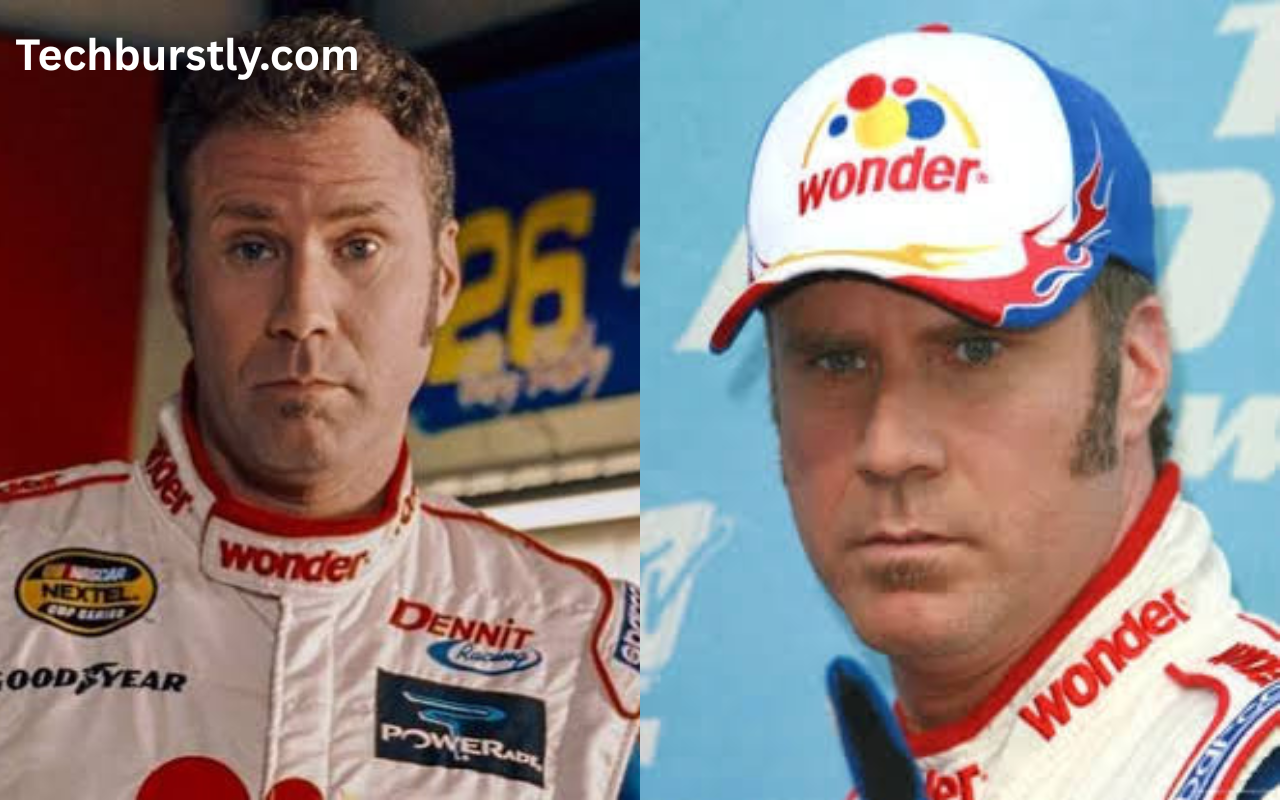
Early Life and Family Background
Ricky Bobby’s story begins in an unforgettable way that perfectly sets the tone for his larger-than-life personality. According to the events of Talladega Nights: The Ballad of Ricky Bobby, he is born in the back seat of a speeding Chevrolet Chevelle as his father rushes toward the hospital. From the moment he enters the world, speed becomes the defining theme of his life. Growing up in rural North Carolina, Ricky develops a fascination with fast cars, racing, and the thrill of competition.
Table of Contents
ToggleHis childhood is far from stable. Ricky’s father, Reese Bobby, is an unreliable but charismatic man who frequently disappears from his family’s life. During one rare visit, Reese tells his young son the famous phrase, “If you ain’t first, you’re last.” Ricky accepts those words as a life philosophy, believing that winning is the only thing that truly matters. Although Reese later admits he made up the saying while under the influence of drugs, the advice shapes Ricky’s entire outlook for many years.
Ricky’s mother, Lucy Bobby, becomes the steady influence in his life. She works hard to provide stability despite Reese’s absence and teaches Ricky the importance of family and responsibility. While Ricky idolizes his father, his mother’s patience and determination quietly help build the resilience that eventually allows him to overcome failure. This contrast between his parents becomes one of the central themes of his journey, showing how conflicting influences can shape a person’s identity.
Racing Career and Rise to NASCAR Stardom
Ricky Bobby’s professional racing career begins almost by accident. While working as a member of the pit crew for Dennit Racing, he unexpectedly gets the opportunity to replace a driver who leaves during a race. Ricky impresses everyone by finishing third despite having no professional racing experience, convincing team owner Larry Dennit Sr. that he deserves a permanent place behind the wheel. That single opportunity changes his life forever.
As his confidence grows, Ricky quickly establishes himself as one of NASCAR’s biggest stars within the film’s fictional world. His fearless driving style, combined with exceptional natural talent, makes him nearly unstoppable on the racetrack. Sponsors line up to support him, fans admire his confidence, and he enjoys the rewards of celebrity life, including wealth, luxury cars, and national recognition. His racing partnership with best friend Cal Naughton Jr. introduces the famous “Shake and Bake” strategy, becoming one of the movie’s most memorable elements.
However, Ricky’s success also fuels his ego. His belief that winning is everything causes him to overlook humility, teamwork, and personal growth. Although he dominates NASCAR races, he gradually loses perspective, creating the perfect setup for the challenges that will eventually test both his driving ability and his character. His rise demonstrates how success can sometimes become as dangerous as failure when confidence turns into arrogance.
Rivalry with Jean Girard and Personal Transformation
Every great sports story needs a worthy rival, and for Ricky Bobby that rival is French Formula One champion Jean Girard. Girard enters NASCAR as a disciplined, intelligent, and highly skilled driver who challenges Ricky both physically and mentally. Unlike Ricky’s emotional approach to racing, Girard remains calm, strategic, and remarkably composed under pressure, forcing Ricky to confront an opponent unlike any he has ever faced.
Their rivalry reaches its peak after a devastating crash leaves Ricky mentally shaken. Although he escapes without serious physical injuries, he loses his confidence and develops an overwhelming fear of racing. His poor performances eventually cost him his position, his sponsorships, and even his family life as everything he built begins to collapse. Instead of portraying failure as the end of the story, the film uses this difficult period to show that true champions are defined by how they respond to adversity rather than by constant victories.
With unexpected help from his father and loyal friends, Ricky slowly rebuilds both his confidence and his identity. By the final race, he realizes that racing is no longer only about proving he is the fastest driver on the track. Instead, he discovers the importance of friendship, forgiveness, family, and personal growth. His reconciliation with Jean Girard symbolizes the maturity he lacked earlier in his career, transforming him from an arrogant superstar into a more balanced competitor.
Major Achievements and Memorable Moments
Ricky Bobby’s greatest accomplishments take place entirely within the fictional world of Talladega Nights: The Ballad of Ricky Bobby, where he becomes one of NASCAR’s biggest stars. After receiving his unexpected opportunity to race professionally, he quickly rises through the ranks and earns a reputation for fearless driving, remarkable speed, and an unmatched desire to win. His dominance on the racetrack attracts major sponsors, television attention, and a devoted fan following, making him one of the sport’s most recognizable personalities in the film.
One of the defining moments of Ricky’s career is the creation of the famous “Shake and Bake” racing strategy with his teammate and best friend, Cal Naughton Jr. Their coordinated drafting technique allows them to control races and become nearly unbeatable for a significant period. Beyond its role in the movie, the phrase “Shake and Bake” entered popular culture and remains one of the film’s most quoted expressions. Likewise, Ricky’s catchphrases, including “If you ain’t first, you’re last” and “I wanna go fast!”, have become iconic among comedy fans and motorsport enthusiasts alike.
Although Ricky wins many races throughout the story, his greatest achievement is not measured by trophies. By the film’s conclusion, he learns that success means more than crossing the finish line first. He repairs damaged relationships, regains self-confidence after a devastating setback, and discovers that friendship, humility, and family matter just as much as victory. This emotional growth gives his character lasting appeal and transforms him from an overconfident racer into a more mature competitor.
Highlights of Ricky Bobby’s Career
- Rose from pit crew member to NASCAR superstar.
- Became one of the most successful drivers in the film’s fictional racing world.
- Created the legendary “Shake and Bake” strategy with Cal Naughton Jr.
- Defeated world-class rival Jean Girard after overcoming personal fears.
- Became one of modern comedy’s most recognizable fictional sports characters.
Personality, Relationships, and Life Beyond Racing
Ricky Bobby is portrayed as energetic, ambitious, and fiercely competitive. His confidence often borders on arrogance during the early stages of his career, largely because he genuinely believes that finishing second is equivalent to failure. Despite his flaws, Ricky possesses a generous heart and deep loyalty toward the people he cares about. His willingness to admit mistakes later in the story demonstrates that personal growth is possible, even for someone whose identity has been built entirely around winning.
Family relationships play a significant role in Ricky’s journey. His marriage to Carley Bobby eventually falls apart after his racing career declines, forcing him to confront the reality that fame and fortune cannot guarantee lasting happiness. His friendship with Cal Naughton Jr. also experiences painful challenges, yet both men ultimately reconcile after realizing that genuine friendship is more valuable than competition. Meanwhile, Ricky develops a meaningful relationship with his assistant Susan, whose encouragement helps him rebuild his confidence and return to racing.
Another important relationship is with his father, Reese Bobby. Throughout much of Ricky’s life, Reese’s words influence every decision he makes. However, when Reese admits that his famous advice was meaningless, Ricky is forced to rethink everything he believed about success. This revelation becomes one of the movie’s strongest emotional moments because it teaches Ricky to define achievement on his own terms rather than living according to someone else’s expectations.
Cultural Impact and Legacy
Although Ricky Bobby exists only in fiction, few comedy characters have left such a lasting impression on popular culture. Since the release of Talladega Nights in 2006, his unforgettable quotes, exaggerated confidence, and outrageous racing adventures have made him one of Will Ferrell’s most beloved characters. The film earned more than $163 million worldwide and developed a loyal fan base that continues to celebrate its humor nearly two decades later.
The character has also influenced conversations about NASCAR in entertainment. While many racing fans appreciate the film’s humor and memorable one-liners, several professional NASCAR drivers have noted that it exaggerates stereotypes for comedic effect rather than accurately representing the sport. Even so, the movie introduced millions of viewers to stock car racing and remains one of the best-known racing comedies ever produced.
Interest in Ricky Bobby continues today. In 2026, the film celebrated its 20th anniversary with special theatrical re-releases and interviews featuring director Adam McKay. During these discussions, McKay revealed that he once considered a sequel in which Ricky Bobby would compete in Formula One racing in Europe, but the idea was ultimately abandoned because of the complexity of producing another large-scale racing film.
Net Worth and Sources of Wealth
Because Ricky Bobby is a fictional character, he does not have a real-world net worth or personal finances. Within the story of Talladega Nights: The Ballad of Ricky Bobby, however, he becomes one of NASCAR’s highest-profile drivers, earning enormous wealth through race winnings, lucrative sponsorships, endorsement deals, merchandise, and appearance fees. The film humorously portrays him living an extravagant lifestyle complete with a luxurious mansion, expensive sports cars, private jets, and a collection of high-end possessions that symbolize his rise to the top of professional racing.
At the height of his fictional career, Ricky represents the commercial success that often accompanies elite motorsport athletes. Sponsors eagerly compete to have their logos displayed on his race car and racing suit, while his popularity makes him one of the sport’s biggest marketing attractions. The movie exaggerates these commercial partnerships for comedic effect, but they reflect the important role sponsorships play in professional stock car racing. Ricky’s celebrity status allows him to enjoy financial success that extends well beyond the racetrack.
The story also demonstrates how quickly fame and fortune can disappear when success fades. After losing races and struggling with confidence following his accident, Ricky loses sponsorships, income, and many of the luxuries he once took for granted. His financial downfall mirrors his emotional journey, reinforcing one of the film’s central messages: lasting happiness depends on character, relationships, and resilience rather than wealth alone.
Social Media Presence and Public Image
Ricky Bobby’s story takes place years before social media became an essential part of every celebrity’s career. As a result, the character does not have official Instagram, X (formerly Twitter), Facebook, LinkedIn, TikTok, or YouTube accounts. Any accounts using his name today are fan-created pages celebrating the character and the enduring popularity of the film rather than official profiles managed by Ricky Bobby himself.
Even without social media, Ricky’s popularity spreads rapidly throughout the fictional NASCAR world. Television interviews, press conferences, sponsor appearances, and enthusiastic race-day crowds establish him as one of the sport’s biggest personalities. His larger-than-life confidence and entertaining interviews make him a media favorite, helping him build a brand that extends beyond racing itself. In many ways, the movie anticipates how modern athletes become celebrities through personality as much as performance.
More than twenty years after the film’s release, Ricky Bobby continues to enjoy a remarkable online presence through fan communities, memes, movie quotes, and discussions across social media platforms. Expressions like “Shake and Bake” and “If you ain’t first, you’re last” remain instantly recognizable among comedy fans, proving that memorable fictional characters can maintain cultural relevance long after their original stories are told. The film’s 20th anniversary celebrations have further renewed interest in the character and introduced him to a new generation of viewers.
Recent Updates and Lasting Legacy
In 2026, Talladega Nights: The Ballad of Ricky Bobby celebrated its 20th anniversary with special theatrical re-releases across the United States, giving longtime fans the opportunity to experience the racing comedy on the big screen once again. The anniversary also sparked renewed conversations about the film’s influence on sports comedies and its enduring place in pop culture.
Director Adam McKay also shared previously unknown details about a sequel that was once considered. According to McKay, the idea would have taken Ricky Bobby into the world of Formula One racing, where he would have faced new cultural challenges and a completely different style of motorsport. Although the sequel was never produced due to the complexity of filming another large-scale racing movie, the concept continues to fascinate fans who have wondered what Ricky’s next chapter might have looked like.
Although Ricky Bobby exists only in fiction, his impact extends well beyond the screen. His journey combines outrageous comedy with meaningful lessons about humility, friendship, perseverance, and personal growth. His unforgettable personality, iconic catchphrases, and dramatic rise and fall have secured his place among the most beloved fictional sports characters ever created. As new audiences continue discovering Talladega Nights, Ricky Bobby’s story remains a celebration of determination, redemption, and the idea that true success comes not only from winning races but from becoming a better person along the way.
Fun Facts About Ricky Bobby
Ricky Bobby is remembered as much for his unforgettable personality as for his racing achievements. Although he exists only in the fictional universe of Talladega Nights: The Ballad of Ricky Bobby, his influence on comedy and motorsport pop culture has remained strong for nearly two decades. His outrageous confidence, hilarious interviews, and exaggerated determination to be the best have helped him become one of the most recognizable fictional athletes in modern cinema.
One of Ricky’s most famous beliefs is that “If you ain’t first, you’re last.” Throughout the movie, he treats this statement as a guiding principle for life until his father eventually admits he invented it while under the influence and that it never actually made sense. This revelation becomes a turning point in Ricky’s personal growth, teaching him that success cannot be measured only by finishing first. The lesson adds surprising emotional depth to what is otherwise an over-the-top sports comedy.
Fans also remember Ricky Bobby for his humorous prayers to “Baby Jesus,” his colorful sponsorships, and his unforgettable racing partnership with Cal Naughton Jr. These comedic moments have inspired countless internet memes, Halloween costumes, and references in sports broadcasts. Even professional NASCAR and Formula One drivers have quoted “Shake and Bake” or paid tribute to the character during races, showing just how deeply the movie has become part of motorsport culture.
Interesting Facts
- Ricky Bobby was portrayed by Will Ferrell, who also co-wrote the film with director Adam McKay.
- The film grossed more than $163 million worldwide, making it one of the most successful sports comedies of its era.
- NASCAR cooperated with the production, allowing filming at real race weekends and tracks.
- “Shake and Bake” became one of the most famous catchphrases in comedy films.
- The movie celebrated its 20th anniversary in 2026 with a limited theatrical re-release across the United States.
Conclusion
Ricky Bobby may be a fictional NASCAR driver, but his story has entertained millions of viewers around the world since Talladega Nights: The Ballad of Ricky Bobby premiered in 2006. Beneath the outrageous comedy lies a surprisingly meaningful journey about ambition, failure, friendship, family, and redemption. His rise from an unknown pit crew member to a racing superstar—and his eventual realization that personal growth matters more than constant victory—gives the character a lasting emotional appeal that extends beyond the racetrack.
The enduring popularity of Ricky Bobby demonstrates the power of memorable storytelling. His hilarious one-liners, fearless driving style, and larger-than-life confidence continue to resonate with audiences, while the film itself remains one of the defining sports comedies of the 21st century. Anniversary celebrations, theatrical re-releases, and behind-the-scenes stories shared by the filmmakers have introduced Ricky Bobby to a new generation of fans, ensuring that his legacy continues to grow.
As Ricky Bobby continues to inspire laughter and remind audiences that true success involves humility, resilience, and meaningful relationships, his fictional journey stands as a timeless example of how perseverance, self-discovery, and a willingness to change can leave a lasting legacy. Whether remembered for “Shake and Bake,” his unforgettable rivalry with Jean Girard, or his determination to get back behind the wheel, Ricky Bobby remains one of cinema’s most iconic and entertaining racing heroes.
