

Introduction
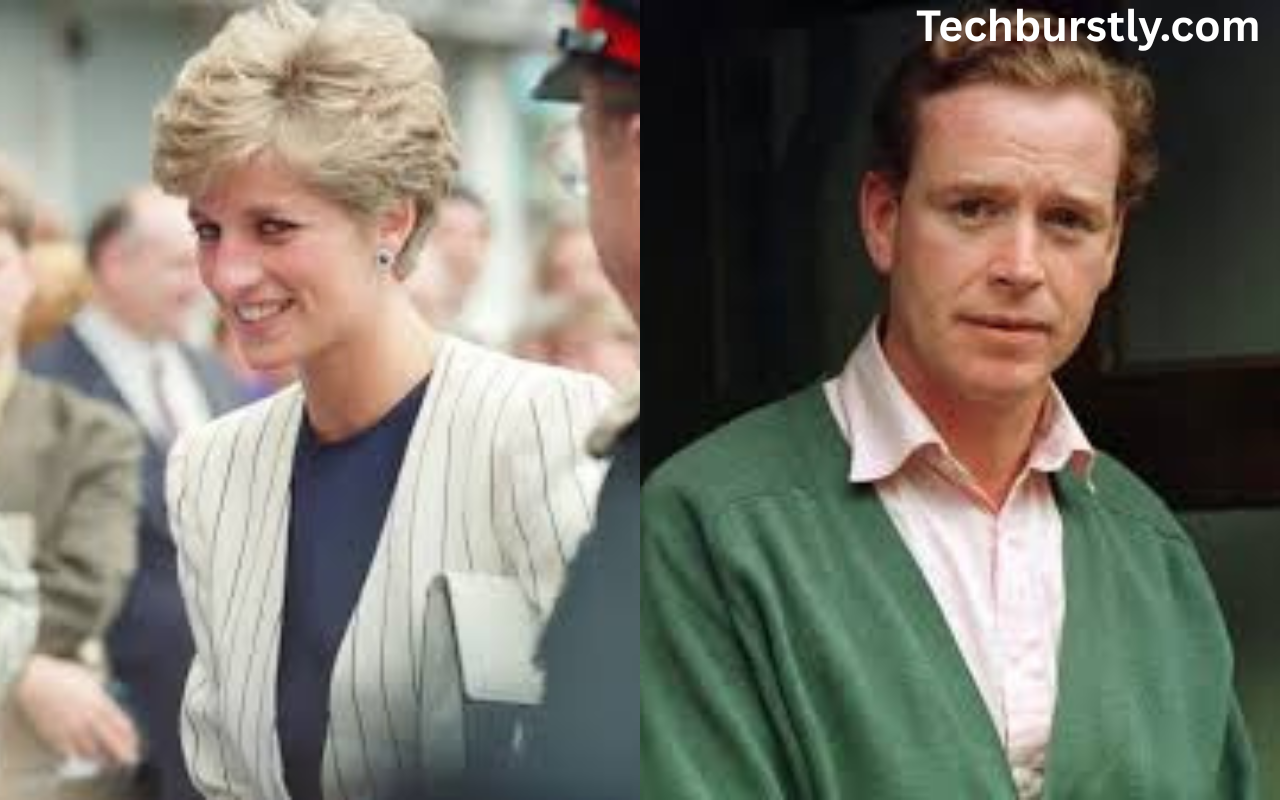
The name Major Hewitt has remained a topic of public fascination for decades. While many people recognize him because of his connection to the British royal family, his story extends far beyond media headlines and royal controversies. James Hewitt, often referred to as Major Hewitt, built a respected military career before finding himself at the center of one of the most talked-about stories in modern British history. His life combines military service, leadership, public attention, personal struggles, and remarkable resilience.
Table of Contents
ToggleWhat makes Hewitt’s story particularly interesting is the contrast between his disciplined military background and the intense public scrutiny that followed him later in life. He was not born into celebrity status, nor did he seek fame in the traditional sense. Instead, his reputation was built through years of military service before unexpected circumstances brought him worldwide recognition. His experiences offer valuable insight into the challenges of balancing personal relationships, professional responsibilities, and public expectations.
Today, Major Hewitt remains a figure of historical and public interest. Readers continue to search for information about his military achievements, family background, relationship history, and life after the spotlight. His journey reflects themes of loyalty, perseverance, sacrifice, and the consequences of living under constant media attention.
Quick Facts About Major Hewitt
| Information | Details |
|---|---|
| Full Name | James Lifford Hewitt |
| Popular Name | Major James Hewitt |
| Date of Birth | April 30, 1958 |
| Age | 68 Years (2026) |
| Birthplace | Derry, Northern Ireland |
| Nationality | British |
| Profession | Former British Army Officer, Author |
| Education | Millfield School, Royal Military Academy Sandhurst |
| Father | John Hewitt |
| Mother | Shirley Stamp |
| Siblings | Syra Hewitt, Caroline Hewitt (Twin Sister) |
| Military Service | British Army (1978–1994) |
| Unit | Life Guards |
| Known For | Military Career and Royal Connection |
| Estimated Net Worth | $1 Million – $3 Million |
| No Verified Account | |
| X (Twitter) | No Verified Account |
| No Public Verified Profile |
Early Life and Childhood
James Lifford Hewitt was born on April 30, 1958, in Derry, Northern Ireland. His birth came into a family deeply connected to military traditions. His father, John Hewitt, served with the Royal Marines and was also a talented athlete who represented Great Britain in the modern pentathlon during the 1952 Olympics. Growing up in such an environment exposed James to discipline, competition, and service from a very young age.
Although born in Northern Ireland, Hewitt spent much of his childhood in Devon and other parts of England. The countryside lifestyle played an important role in shaping his personality. He developed a strong love for horses, outdoor activities, and country living. These interests would later become significant parts of both his personal and professional life. His mother, Shirley Stamp, was involved in running a riding school, which further strengthened his connection with equestrian activities.
Family members have often described his upbringing as stable and supportive. Hewitt has spoken about growing up in a close-knit household where responsibility and respect were important values. While he faced academic challenges due to dyslexia, he excelled in sports and physical activities. These early experiences helped build the confidence and determination that later defined his military career.
Education and Personal Development
Education was an important chapter in Hewitt’s journey. He attended Norwood Preparatory School before moving on to Millfield School in Somerset. Millfield was known for supporting students with different learning needs, and it played a crucial role in helping Hewitt develop confidence despite his struggles with dyslexia.
During his school years, Hewitt became particularly interested in sports. His athletic ability often stood out more than his academic performance. Teachers recognized his natural leadership qualities and encouraged him to pursue activities that would build confidence and discipline. This environment allowed him to develop skills that would later prove valuable in military leadership roles.
After completing his education, Hewitt decided to follow the military path that had influenced his family for generations. His ambition eventually led him to the prestigious Royal Military Academy Sandhurst, one of the world’s most respected military training institutions. Sandhurst transformed him from a young student into a future army officer prepared to lead soldiers under challenging conditions.
Joining the British Army
In 1978, James Hewitt officially joined the British Army after completing his training at Sandhurst. This marked the beginning of a professional journey that would span nearly two decades. Like many young officers, he entered military service with enthusiasm and a desire to prove himself through hard work and dedication.
He joined the prestigious Life Guards regiment, one of the most respected cavalry units in Britain. The regiment combines ceremonial responsibilities with operational military duties. Serving in such a unit required discipline, exceptional horsemanship, and leadership skills. Hewitt embraced these demands and quickly became known as a capable officer.
His years in the army helped shape his identity. The military lifestyle taught him responsibility, strategic thinking, teamwork, and resilience. These qualities became central to his professional reputation and laid the foundation for future promotions and leadership opportunities.
Military Career and Professional Achievements
Throughout his military career, Hewitt steadily advanced through the ranks. His work involved both ceremonial duties and operational assignments, providing him with broad experience as an officer. Colleagues often regarded him as professional, confident, and dedicated to his responsibilities.
One of the most significant moments in his military career came during the Gulf War. Hewitt served as a tank squadron commander during Operation Desert Storm. Leading armored units in wartime required courage, leadership, and quick decision-making. His role demonstrated that he was more than a ceremonial officer; he was also an experienced military leader capable of performing under pressure.
His service record remains one of the most overlooked aspects of his life. While public attention often focused on personal matters, his military accomplishments reflected years of training, dedication, and commitment to national service. His nearly seventeen years in uniform represented a substantial contribution to the British Armed Forces.
Notable Military Achievements
- Graduated from Royal Military Academy Sandhurst.
- Served in the elite Life Guards regiment.
- Commanded armored units during the Gulf War.
- Led Challenger tank operations.
- Completed nearly 17 years of military service.
Relationship With Princess Diana
The chapter of Hewitt’s life that brought him international fame began in 1986 when he met Diana, Princess of Wales. Their introduction occurred through social connections within royal circles, and he later became her riding instructor. What started as riding lessons eventually developed into a close personal relationship.
At the time, Princess Diana was already one of the most famous women in the world. Any relationship involving her naturally attracted intense public attention. Their connection lasted several years and became one of the most discussed royal stories of the late twentieth century. According to numerous reports and later admissions, the relationship developed during a difficult period in Diana’s marriage.
The public revelation of their relationship dramatically changed Hewitt’s life. Suddenly, he was no longer known primarily as a military officer. Instead, he became a global media figure. Newspapers, television programs, and magazines analyzed every aspect of his life, bringing unprecedented scrutiny and attention.
Life After Military Service
After leaving the British Army in 1994, Hewitt faced the challenge of transitioning into civilian life. This period was particularly difficult because his departure coincided with growing media attention surrounding his personal life. Unlike many retired officers who quietly pursue new careers, Hewitt remained a subject of public curiosity.
He explored several professional opportunities, including writing, public speaking, and media appearances. His memoirs and interviews provided insight into his experiences, though they also generated debate and criticism. Some observers appreciated his willingness to share his perspective, while others questioned his decisions regarding public disclosures.
Despite challenges, Hewitt demonstrated adaptability. He continued building a life beyond military service while managing the pressures of public attention. His post-army years reveal a man attempting to redefine himself after a career and personal life that had become intertwined with major historical events.
Personal Life and Interests
Away from media coverage, Hewitt has maintained a strong connection to horses and country life. His lifelong passion for riding reflects interests developed during childhood and reinforced through military service. Equestrian activities have remained one of the most consistent themes throughout his life.
Friends and acquaintances often describe him as independent and private. While public curiosity about his life has remained high, Hewitt has generally preferred a quieter existence in recent years. This desire for privacy reflects the challenges he experienced during periods of intense media attention.
His personality appears shaped by traditional values such as loyalty, discipline, and perseverance. These characteristics, cultivated through family influence and military training, have remained evident throughout various stages of his life. Even amid controversy, he has often presented himself as someone determined to move forward and maintain personal dignity.
Net Worth and Sources of Income
Major Hewitt’s estimated net worth is believed to be between $1 million and $3 million, although exact financial details remain private. As a former military officer rather than a traditional celebrity or business mogul, his wealth has accumulated through several different sources over the years.
His primary income during the early part of his life came from military service. Later, he earned money through book sales, interviews, media appearances, public speaking engagements, and various business ventures. These opportunities arose largely because of public interest in his life story and experiences.
Unlike many public figures who actively pursue commercial branding opportunities, Hewitt has generally maintained a modest public profile. As a result, financial estimates vary considerably, and no verified public record provides a precise calculation of his overall wealth.
Major Sources of Income
- British Army Career
- Book Royalties
- Television Appearances
- Public Speaking
- Media Interviews
- Private Business Activities
Social Media Presence and Public Image
In an era dominated by social media, Major Hewitt stands out because of his limited online presence. He does not maintain highly visible verified accounts on major platforms such as Instagram, X, or LinkedIn. This approach reflects his preference for privacy and a more traditional lifestyle.
Unlike modern celebrities who communicate directly with millions of followers, Hewitt rarely engages in public online discussions. This absence from social media has likely helped him maintain a quieter life compared to many public figures of similar recognition.
Over time, public perceptions of Hewitt have evolved. Earlier coverage focused heavily on controversy and royal connections. Today, discussions increasingly examine his military career, personal experiences, and historical significance within the broader context of British royal history.
Recent Life and Current Activities
In recent years, James Hewitt has largely remained away from the public spotlight. While documentaries, books, and television programs continue to explore his connection to Princess Diana, he has generally chosen a quieter lifestyle. Public appearances are relatively rare compared to the intense visibility he experienced during the 1990s and early 2000s.
Interest in his life remains strong among royal historians, journalists, and readers fascinated by modern British history. As new generations discover Diana’s story, they also encounter Hewitt’s role within that narrative. This ongoing attention ensures that his name continues to appear in discussions about the royal family and media culture.
Although he is no longer a frequent public figure, his story remains relevant because it touches on themes of love, duty, fame, sacrifice, and resilience. These themes continue to resonate with audiences around the world.
Conclusion
Major James Hewitt’s life is a fascinating blend of military achievement, personal challenges, public controversy, and enduring resilience. From his early years in a military family to his distinguished service in the British Army and his unexpected rise to international recognition, his journey reflects both triumph and adversity. He experienced the honor of serving his country while also facing the extraordinary pressures that come with global attention.
Beyond the headlines and royal associations lies the story of a man shaped by discipline, loyalty, and perseverance. His years in uniform, leadership during military operations, and ability to navigate difficult personal circumstances demonstrate qualities that deserve recognition in their own right. While public opinion about him may vary, his impact on modern royal history is undeniable.
As Major Hewitt’s story continues to be studied and discussed, it serves as a reminder that life is rarely defined by a single event. Success, setbacks, public scrutiny, and personal growth all contribute to a person’s legacy. His journey encourages readers to appreciate resilience, learn from life’s challenges, and recognize the importance of remaining true to one’s values even when facing extraordinary circumstances.
