

Introduction
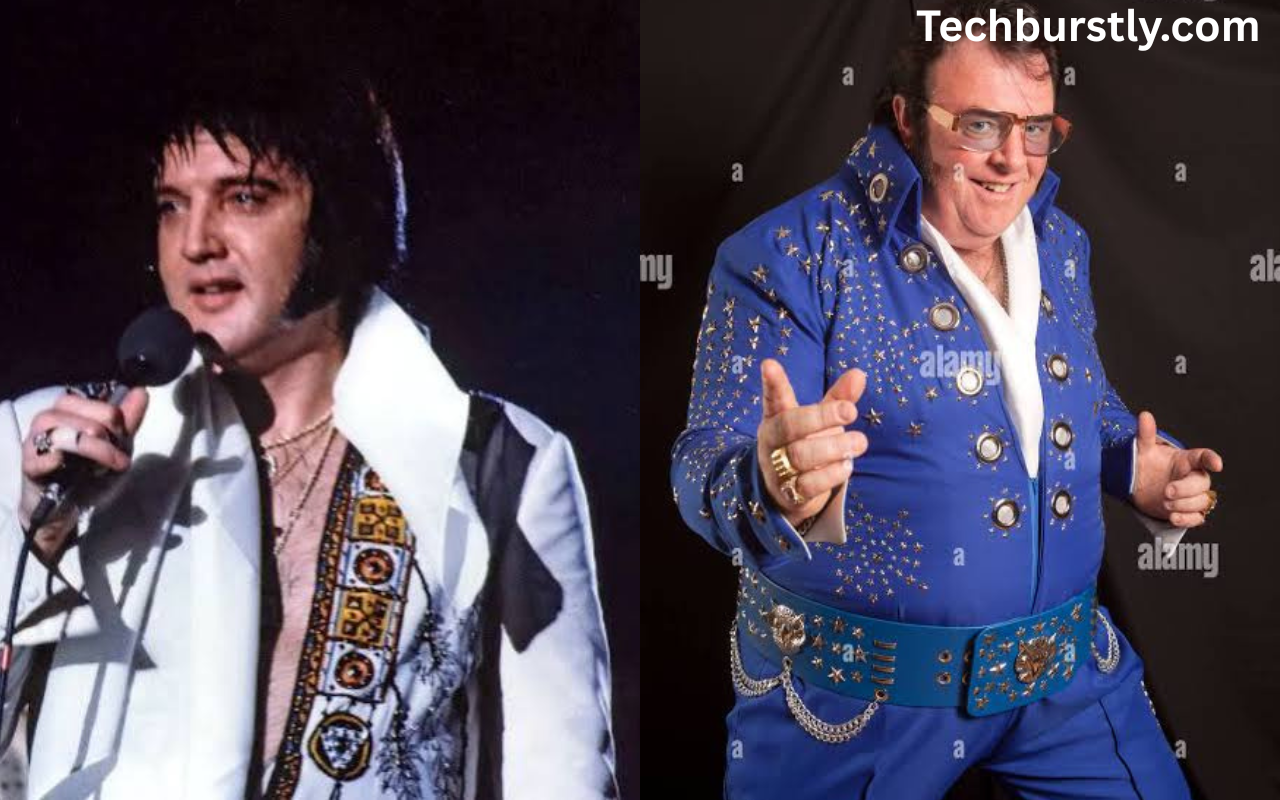
When people hear the phrase “Fat Elvis,” they often picture the later years of legendary rock and roll icon Elvis Presley. The nickname became part of popular culture and was widely used to describe Elvis during the final stage of his life when health issues, intense touring schedules, and personal struggles began affecting his appearance. However, reducing Elvis Presley to a nickname ignores one of the most remarkable careers in entertainment history. Behind the label was a groundbreaking musician, actor, performer, and cultural icon who changed the music industry forever.
Table of Contents
ToggleElvis was much more than his final years. He was the artist who helped bring rock and roll to the mainstream, sold millions of records worldwide, and inspired generations of musicians. His influence can still be seen in modern pop, country, rock, and even hip-hop music. Long after his death, he remains one of the most celebrated entertainers in history.
Understanding the story behind “Fat Elvis” requires looking beyond stereotypes and examining the complete journey of a man who rose from poverty to worldwide fame. His life was filled with extraordinary success, personal sacrifice, immense pressure, and a legacy that continues to grow decades after his passing.
Quick Facts About Fat Elvis
| Fact | Details |
|---|---|
| Full Name | Elvis Aaron Presley |
| Known As | The King of Rock and Roll |
| Nickname | Fat Elvis (later years) |
| Birth Date | January 8, 1935 |
| Birthplace | Tupelo, Mississippi, USA |
| Age at Death | 42 Years |
| Profession | Singer, Actor, Performer |
| Father | Vernon Presley |
| Mother | Gladys Presley |
| Sibling | Jesse Garon Presley (Stillborn Twin Brother) |
| Daughter | Lisa Marie Presley |
| Genres | Rock and Roll, Gospel, Country, Blues, Pop |
| Years Active | 1953–1977 |
| Nationality | American |
| Estimated Net Worth at Death | Around $5 Million |
| Social Media | Not applicable (before social media era) |
Early Life and Humble Beginnings
Elvis Aaron Presley was born on January 8, 1935, in Tupelo, Mississippi. His family lived in modest circumstances and often struggled financially. The Presley household was small, and money was scarce, but Elvis grew up surrounded by love, faith, and strong family values. His parents worked hard to provide stability despite their limited resources.
One of the most significant events surrounding Elvis’s birth was the loss of his twin brother, Jesse Garon Presley, who was stillborn. Growing up as an only child deeply affected Elvis and strengthened the close bond he shared with his parents. His mother, Gladys Presley, became one of the most influential people in his life and remained his emotional anchor for many years.
Music entered Elvis’s life at a young age. Church services exposed him to gospel music, while local radio stations introduced him to blues, country, and rhythm and blues. These musical influences would later combine to create the unique sound that made him a global superstar. Even as a young boy, Elvis showed signs of creativity and passion that set him apart from others around him.
Education and Musical Influences
During his childhood, Elvis attended local schools before moving with his family to Memphis, Tennessee. The move proved to be one of the most important turning points in his life. Memphis was a vibrant city filled with musical diversity, offering exposure to sounds and cultures that would shape his future career.
While attending Humes High School, Elvis developed a stronger interest in music and performing. Although naturally shy, he found confidence through singing and playing guitar. Classmates often noticed his distinctive style and growing musical talent. What seemed like a simple hobby at the time would eventually transform into a historic career.
His musical education came largely from listening rather than formal training. Elvis absorbed gospel harmonies, country storytelling, blues emotion, and rhythm and blues energy. This unique blend allowed him to create a sound that appealed to audiences from different backgrounds and generations.
Rise to Fame and Becoming the King of Rock and Roll
The early 1950s marked the beginning of Elvis’s professional music career. His recordings quickly attracted attention because they sounded different from anything audiences had heard before. His voice, stage presence, and ability to blend musical styles made him an instant sensation.
As rock and roll emerged as a powerful cultural movement, Elvis became its most recognizable figure. Songs like “Heartbreak Hotel,” “Hound Dog,” and “Jailhouse Rock” helped establish him as a national superstar. Television appearances introduced him to millions of viewers, and his popularity exploded almost overnight.
His impact extended beyond music. Elvis influenced fashion, dance, youth culture, and entertainment as a whole. Fans copied his hairstyle, clothing choices, and performance style. By the late 1950s, he was no longer simply a singer—he had become a cultural phenomenon and earned the title “The King of Rock and Roll.”
Military Service and Personal Growth
At the height of his fame, Elvis entered the United States Army in 1958. Many celebrities would have sought special treatment, but Elvis chose to serve as a regular soldier. This decision earned him respect from both fans and critics who previously viewed him as a controversial performer.
His military service became a period of personal growth and maturity. While stationed in Germany, he experienced life outside the entertainment industry and formed important relationships. During this time, he met Priscilla Beaulieu, who would later become his wife.
The Army years also brought personal hardship. Elvis lost his beloved mother during his military service, a tragedy that affected him deeply. Many historians believe this loss had a lasting emotional impact that influenced much of his later life and relationships.
Career Success, Movies, and Worldwide Fame
Following his military service, Elvis returned to entertainment stronger than ever. He resumed recording music, starring in films, and performing live. Throughout the 1960s, he became one of Hollywood’s most recognizable stars while continuing to dominate the music charts.
His film career introduced him to even larger audiences. While some critics debated the artistic quality of certain movies, they consistently performed well commercially and helped strengthen his brand worldwide. Fans loved seeing Elvis both on screen and on stage.
Major career achievements included:
- Millions of records sold worldwide.
- Numerous chart-topping singles.
- Successful Hollywood film career.
- Global cultural influence.
- Recognition as one of music’s greatest performers.
These accomplishments established Elvis as one of the most successful entertainers in modern history.
Why Was Elvis Called Fat Elvis?
The nickname “Fat Elvis” emerged during the final years of Elvis Presley’s life. By the mid-1970s, health complications, prescription medication use, stress, and constant touring had significantly affected his appearance. Media coverage increasingly focused on his physical changes rather than his artistic contributions.
Although Elvis did gain weight, many historians argue that the public perception was often exaggerated. His changing appearance was linked to serious medical conditions, exhaustion, and medication-related issues rather than simple overeating. Unfortunately, popular culture turned these struggles into a stereotype that followed him for decades.
Today, many fans view the nickname as unfair because it overshadows the immense talent and achievements that defined his career. While his later years were difficult, they represented only a small portion of a life that transformed music forever.
Personal Life, Marriage, and Family
Elvis’s personal life attracted enormous public interest throughout his career. His marriage to Priscilla Presley became one of the most famous celebrity relationships of the twentieth century. Together, they welcomed their daughter Lisa Marie Presley, who would later become a public figure in her own right.
Despite his fame, Elvis often struggled to balance personal relationships with the demands of celebrity life. Constant travel, recording sessions, movie commitments, and public attention created challenges that affected both his marriage and friendships.
Those who knew Elvis frequently described him as generous, loyal, and caring. He enjoyed spending time with friends, collecting cars, watching movies, and exploring spiritual subjects. Behind the superstar image was a man searching for happiness and meaning amid extraordinary fame.
Health Challenges and Final Years
The final years of Elvis’s life were marked by serious health struggles. Years of relentless touring, physical exhaustion, and prescription medication dependency contributed to declining health. Despite these challenges, he continued performing because of his dedication to fans and his love of entertaining.
Concert footage from 1977 reveals a performer battling significant difficulties while still trying to deliver memorable performances. Many close associates later described his determination to continue working despite obvious physical limitations.
On August 16, 1977, Elvis Presley passed away at Graceland in Memphis, Tennessee, at the age of 42. His death shocked the world and marked the end of an era in music history. Millions mourned the loss of a performer whose influence had touched virtually every corner of popular culture.
Net Worth and Sources of Wealth
At the time of his death, Elvis’s estate was valued at several million dollars. His income came from multiple sources, including record sales, concert tours, movie contracts, merchandise, and publishing rights. Few entertainers of his era achieved comparable financial success.
Ironically, Elvis became even more valuable commercially after his death. Through licensing agreements, royalties, documentaries, films, and tourism associated with Graceland, his estate evolved into one of the most profitable celebrity estates in history.
Even decades later, Elvis remains among the highest-earning deceased celebrities. His enduring popularity demonstrates the timeless appeal of his music and the extraordinary strength of his personal brand.
Social Media Presence and Modern Fan Community
Elvis never experienced social media during his lifetime, but his legacy thrives online today. Official estate-managed accounts and fan communities regularly share rare photographs, historic performances, interviews, and behind-the-scenes stories.
Platforms such as Instagram, Facebook, YouTube, and X have introduced Elvis to younger generations who were born decades after his passing. His music continues to attract millions of streams and views across digital platforms.
The digital era has allowed fans worldwide to celebrate Elvis’s achievements and preserve his memory. New documentaries, biographical films, and anniversary events continue bringing attention to his remarkable life and career.
Legacy and Cultural Influence
Few entertainers have left a legacy as significant as Elvis Presley. His contributions helped shape modern popular music and opened doors for countless artists who followed. Elements of his style can still be seen in today’s biggest performers.
Elvis influenced rock, pop, country, gospel, and entertainment culture as a whole. His recordings remain popular, his image remains iconic, and his story continues to inspire musicians, performers, and dreamers worldwide.
More importantly, his life reminds us that fame does not eliminate personal struggles. Behind the glamour and success was a human being facing challenges, pressures, and vulnerabilities. Understanding the complete story of Elvis allows us to appreciate not only his achievements but also his resilience.
Conclusion
The story of Fat Elvis is ultimately the story of Elvis Presley himself—a talented artist whose life contained extraordinary highs and heartbreaking lows. While the nickname became famous, it captures only a small chapter in a much larger and more inspiring journey. From a poor boy in Mississippi to the undisputed King of Rock and Roll, Elvis built a legacy that changed music and entertainment forever.
His journey teaches valuable lessons about ambition, perseverance, creativity, and the hidden challenges that often accompany success. Even during difficult periods, Elvis continued to share his talent with audiences around the world and remained dedicated to his craft.
As Elvis Presley continues to inspire future generations, his story stands as a reminder that true greatness is defined not by temporary struggles or public labels but by lasting impact. Through passion, determination, and groundbreaking artistry, he created a legacy that will continue shaping music and culture for generations to come.
