

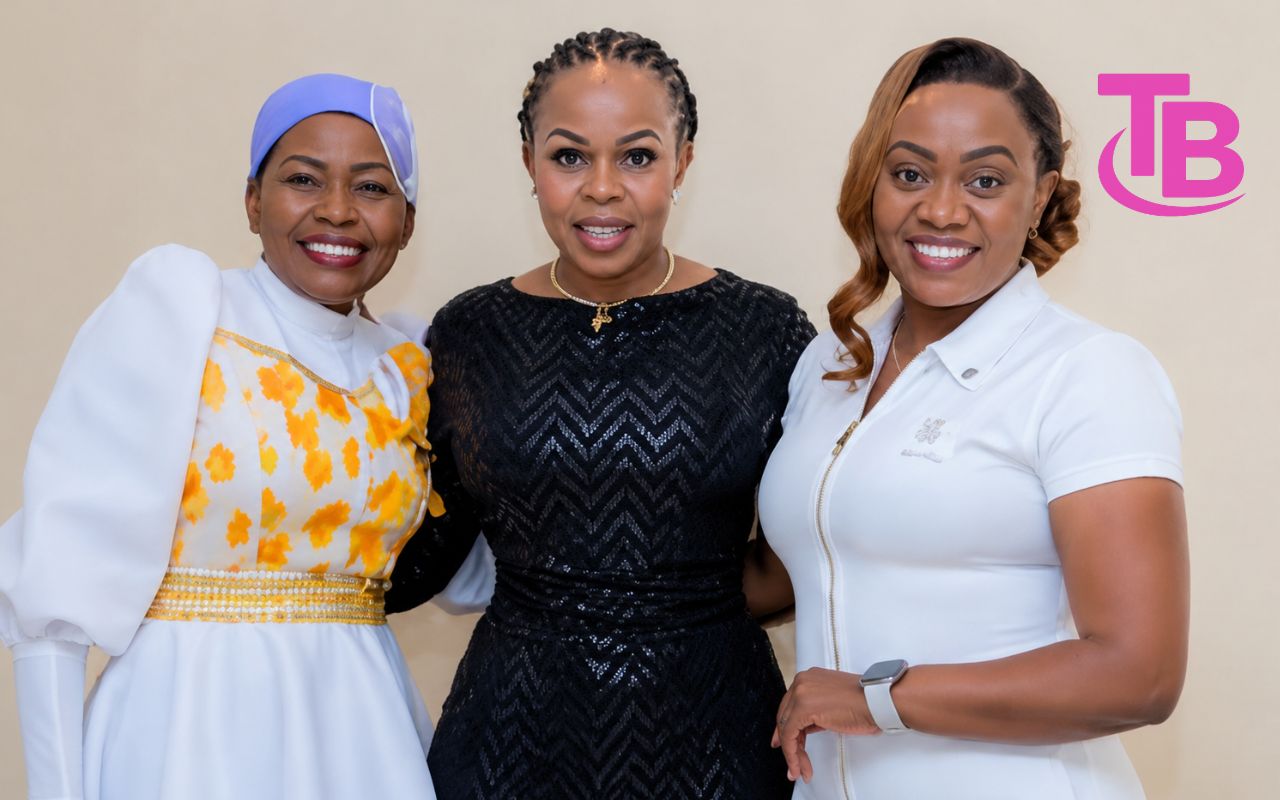
Ceslie‑Ann Kamakawiwo’ole, the daughter of the world-renowned Hawaiian musician Israel “IZ” Kamakawiwo’ole, has largely lived a life away from the spotlight. Born in Hawaii around 1983, Ceslie‑Ann’s early years were shaped by her father’s iconic musical legacy, which continues to inspire audiences worldwide. Despite her connection to one of the most celebrated figures in Hawaiian music, she has largely maintained a private life, stepping into public attention only briefly due to legal issues. Her story reflects the challenges of growing up in the shadow of fame, balancing family legacy with personal privacy, and navigating public scrutiny in a world fascinated by celebrity lineage.
Early Life and Family Background
Ceslie‑Ann Kamakawiwo’ole, born around 1983 in Hawaii, is best known as the daughter of the legendary Hawaiian musician Israel “IZ” Kamakawiwo’ole. Her father, an icon of Hawaiian music, gained international acclaim for his rendition of “Somewhere Over the Rainbow/What a Wonderful World,” which remains one of the most beloved songs worldwide. Ceslie‑Ann carries the full name Ceslianne Wehekealake’alekupuna Ah Lo Kamakawiwo’ole, and she is often affectionately called “Wehi.” She is the only child of Israel Kamakawiwo’ole and his wife Marlene Kamakawiwo’ole (née Ah Lo), growing up in a household deeply rooted in Hawaiian culture and musical tradition. While her father’s life was dominated by music and public performance, Ceslie‑Ann’s upbringing was more private, and she largely remained out of the public eye during her early years.
Connection to Israel Kamakawiwo’ole
The connection to her father shaped much of the public perception of Ceslie‑Ann. Israel Kamakawiwo’ole, often referred to simply as IZ, was not only a musician but also a cultural ambassador of Hawaiian identity, advocating for native Hawaiian rights and environmental causes. Being his only child, Ceslie‑Ann inherited a family legacy that attracted significant public and media attention, even if she herself did not pursue a public career in music. The prominence of her father’s name meant that any personal matters or legal issues she encountered were amplified in Hawaiian media.
Public Attention and Legal Challenges
Ceslie‑Ann Kamakawiwo’ole first drew broad media attention not through music but through legal troubles. In 2015, she appeared on Hawaii’s “most wanted” list after authorities reported that she had been involved in a vehicle theft incident. Reports indicated that she drove a stolen vehicle, resulting in a $20,000 arrest warrant being issued. This incident was widely covered by local news outlets and online media, bringing Ceslie‑Ann into the public spotlight in a way that contrasted sharply with her father’s celebrated image. The case highlighted how her life, while largely private, became subject to public scrutiny due to both her family name and the nature of the alleged criminal activity.
Authorities further reported that Ceslie‑Ann violated terms of probation, intensifying attention on her case. While these incidents were serious, they represented only a brief portion of her life, and she did not become a continuous subject of media coverage. Nevertheless, the reporting around the incident reinforced her position in public consciousness as a figure linked to her father’s legacy, illustrating the tension between private life and public curiosity for children of famous individuals.
Personal Life and Privacy
Beyond the legal matters, Ceslie‑Ann Kamakawiwo’ole has maintained a largely private life. Some reports suggest she may have children or be involved in family life in Hawaii, but these claims remain unverified by mainstream sources. Very little information is available about her educational background, career, or daily life, underscoring her desire to stay out of public scrutiny. Despite the brief surge of media attention, Ceslie‑Ann has largely avoided the spotlight, allowing her personal affairs to remain confidential. This privacy has likely shielded her from further public controversies while also making detailed biographical information scarce.
Her story highlights a recurring pattern seen with children of iconic figures: public interest is often unavoidable, yet personal achievements or private life details can remain largely unknown. Ceslie‑Ann’s life serves as an example of how fame can shape the narrative around a person, even when that individual has not sought public attention or a professional role in the same field as their famous parent.
Legacy and Public Perception
While Ceslie‑Ann Kamakawiwo’ole has not achieved fame on her own merits in the music or entertainment industry, her identity is inseparable from her father’s enduring legacy. Israel Kamakawiwo’ole’s music continues to inspire audiences globally, and by extension, Ceslie‑Ann is remembered in connection to that cultural heritage. Her brief encounter with media attention due to legal issues illustrates the challenges faced by children of celebrities who seek a private life amidst inevitable public curiosity.
Her story is a mix of family legacy, fleeting public attention, and steadfast privacy. Despite being in the public eye for a short period due to circumstances outside her control, Ceslie‑Ann’s commitment to privacy suggests that she values her personal life over public recognition. Her position in the cultural narrative of Hawaii remains tied to her father, ensuring that her name will always evoke the musical and cultural contributions of Israel Kamakawiwo’ole.
Conclusion
Ceslie‑Ann Kamakawiwo’ole embodies the complexities of living in the shadow of a legendary parent. Born into the family of one of Hawaii’s most iconic musicians, her early life was shaped by cultural heritage and public expectation. While a legal incident briefly thrust her into the spotlight, she has largely maintained a private life, avoiding ongoing media attention. Her story underscores the delicate balance between public curiosity and personal privacy and reflects the broader dynamics faced by children of famous figures. Ultimately, Ceslie‑Ann Kamakawiwo’ole’s life remains defined both by her connection to her father’s enduring musical legacy and her quiet determination to live privately.
