

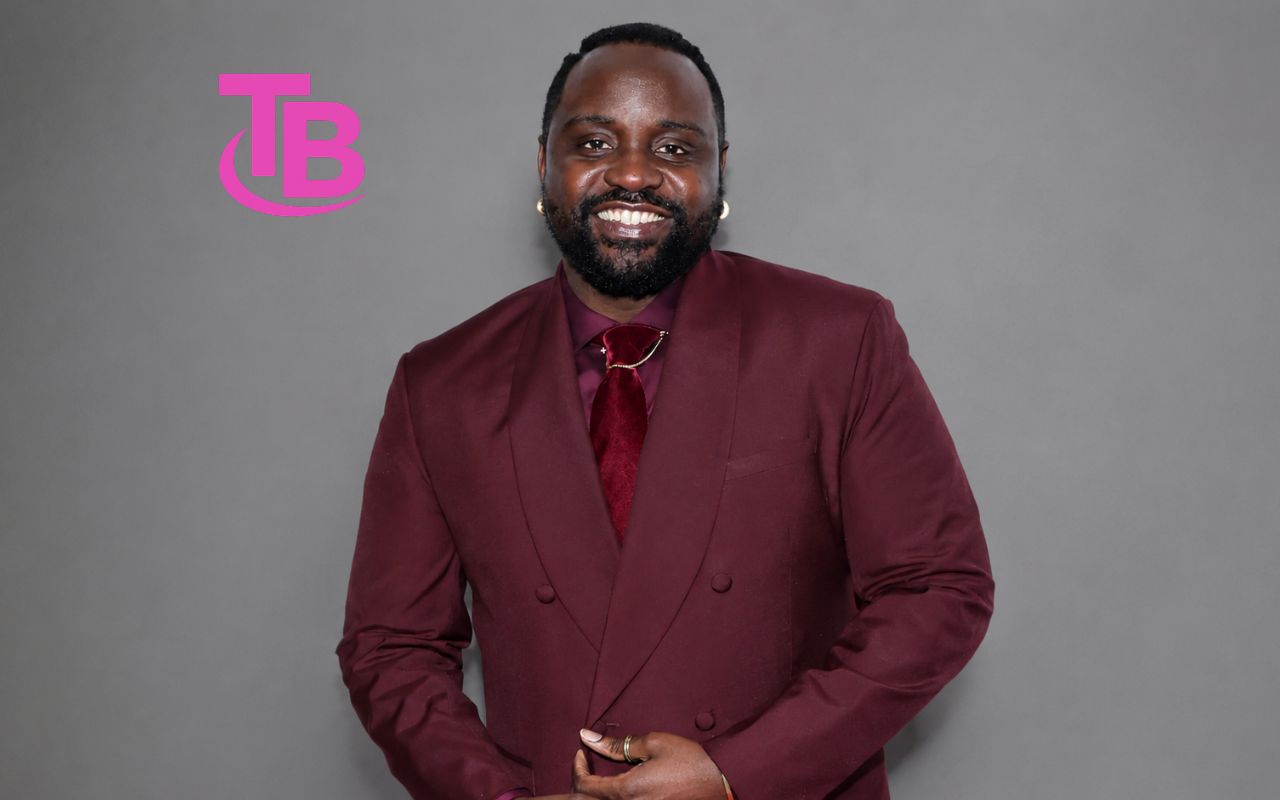
Brian Tyree Henry is one of the most talented and versatile actors of his generation, widely acclaimed for his remarkable performances across television, film, and theatre. Born on March 31, 1982, in Fayetteville, North Carolina, Henry has built a career defined by depth, authenticity, and range. While his professional achievements are well-documented, his personal life, particularly his sexual orientation, has been a topic of curiosity and speculation among fans and media alike. Over the years, Henry has become a household name, largely due to his standout role as Alfred “Paper Boi” Miles in the FX series Atlanta, created by Donald Glover, where his portrayal earned critical praise and several award nominations.
Early Life and Career Beginnings
Henry’s journey into acting began with a strong foundation in theatre. He studied at Morehouse College in Atlanta, Georgia, before further honing his craft at the Yale School of Drama. During his formative years, Henry was actively involved in stage productions, which helped him develop the versatility that would later become a hallmark of his screen performances. His early roles included minor appearances in television and film, but it was his casting in Atlanta in 2016 that truly propelled him into the spotlight. Critics and audiences alike praised Henry for his nuanced portrayal of Paper Boi, blending intensity with a quiet emotional resonance, which laid the groundwork for his subsequent high-profile roles in Hollywood.
Hollywood Breakthrough and Film Roles
Following his success on Atlanta, Henry’s career expanded into major film projects. One of his most notable roles came in the Marvel Cinematic Universe (MCU) as Phastos, a groundbreaking character in Eternals (2021). Phastos is significant as Marvel’s first openly gay superhero, and the role garnered substantial attention for both Henry and the MCU for its representation of LGBTQ+ characters. In the film, Phastos is shown as a loving husband and father, reflecting a long-awaited depiction of queer relationships in mainstream superhero films. While this role sparked widespread speculation about Henry’s real-life sexuality, it is important to note that playing a gay character does not necessarily indicate the actor’s own orientation.
Henry has also appeared in films such as If Beale Street Could Talk (2018), Joker (2019), and Causeway (2022), demonstrating his ability to transition seamlessly between dramatic and supporting roles. Each of these performances further solidified his reputation as a reliable and captivating actor capable of delivering emotionally layered characters.
Public Speculation About Sexuality
Despite his growing fame, Brian Tyree Henry is known for maintaining a high level of privacy regarding his personal life. Over the years, there has been considerable speculation in online forums, blogs, and entertainment news sites about his sexual orientation, with some sources claiming he might be gay. However, these claims remain unverified, and no credible reports or interviews confirm his sexuality. Henry himself has not publicly commented on whether he is gay, straight, or bisexual, and respected biographical sources avoid making assumptions about his private life. This discretion has helped him focus public attention on his work rather than his personal relationships.
Interviews and Public Statements
In interviews, Henry has often emphasized his dedication to his craft rather than his personal life. He has discussed the challenges and rewards of portraying diverse characters, including LGBTQ+ roles, and has expressed pride in contributing to more inclusive storytelling in film and television. While playing Phastos, Henry highlighted the importance of visibility and representation, acknowledging that audiences benefit from seeing authentic queer characters in mainstream media. However, these discussions are focused on advocacy and performance rather than revealing his own orientation.
The Impact of Playing Phastos
The cultural impact of Phastos cannot be understated. As one of the first openly gay superheroes in the MCU, the character represents a milestone in the portrayal of LGBTQ+ individuals in major franchises. Henry’s performance received critical acclaim for its warmth, intelligence, and emotional authenticity. While some fans have speculated that his portrayal mirrors his real-life experiences, the reality is that Henry has maintained his personal boundaries, choosing to let his work speak for itself. This decision has earned him respect in both the LGBTQ+ community and the broader film industry for valuing privacy while supporting representation.
Conclusion
Brian Tyree Henry remains a remarkable talent whose professional accomplishments continue to impress audiences worldwide. While rumors about his sexuality persist, there is no confirmed information regarding his sexual orientation, and Henry himself has not publicly addressed such speculation. What is clear is his commitment to bringing authenticity and depth to every role he undertakes, including groundbreaking portrayals like Phastos in Eternals. By prioritizing his craft and maintaining personal privacy, Henry demonstrates that an actor’s personal life does not need to define their public persona. His work continues to contribute meaningfully to inclusive storytelling, earning him admiration as both an actor and a cultural influencer.
